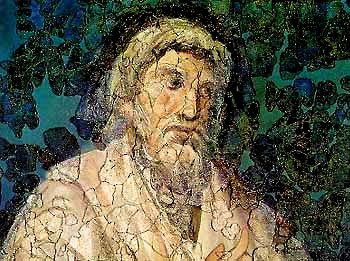
Portrait image associated with Lactantius from Wikimedia media records.
Portrait sourceUnknown author Unknown author · Public domain
Lactantius · Author Profile
Lucius Caecilius Firmianus Lactantius (c. 250 – c. 325) was an early Christian author who became an advisor to Roman emperor Constantine I, guiding his Christian religious policy in its initial stages of emergence, and a tutor to his son Crispus. In this library, Lactantius is linked to 1 document, including The Divine Institutes.
- Activity
- AD 240 - AD 317
- Documents in this library
- 1
- Corpus date window
- AD 304
Works in This Library
History and Context
Lucius Caecilius Firmianus Lactantius (c. 250 – c. 325) was an early Christian author who became an advisor to Roman emperor Constantine I, guiding his Christian religious policy in its initial stages of emergence, and a tutor to his son Crispus. His most important work is the Institutiones Divinae ("The Divine Institutes"), an apologetic treatise intended to establish the reasonableness and truth of Christianity to pagan critics. He is best known for his apologetic works, widely read during the Renaissance by humanists, who called Lactantius the "Christian Cicero". Also often attributed to Lactantius is the poem The Phoenix, which is based on the myth of the phoenix from Egypt and Arabia. Though the poem is not clearly Christian in its motifs, modern scholars have found some literary evidence in the text to suggest the author had a Christian interpretation of the eastern myth as a symbol of resurrection. Lactantius is described in reference records as writer, apologist, and rhetorician. Place associations in major reference datasets include Roman Africa and Trier. The documents preserved here span AD 304 and include The Divine Institutes (1 total).
What We Know
- Activity window in reference data: AD 240 - AD 317.
- Approximate lifespan from biographical records: AD 240-AD 317.
- Roles in major reference data: writer, apologist, and rhetorician.
- No securely dated office chronology is preserved in current reference records.
- Associated places: Roman Africa and Trier.
- Tradition labels vary across sources; classification should be read with historical caution.
- Languages linked to writing or transmission: Latin.
- Notable works cited in reference data: De mortibus persecutorum.
- Documents in this corpus: 1 (The Divine Institutes).
- Corpus date range for attributed texts: AD 304.
Legacy
He is best known for his apologetic works, widely read during the Renaissance by humanists, who called Lactantius the "Christian Cicero". The time and circumstances of Lactantius's death are unknown. Lactantius's reception in theology and church history is closely tied to ongoing study of The Divine Institutes. The documents preserved here span AD 304 and include The Divine Institutes (1 total).
Source Notes
Wikipedia biographical overview
Wikidata entity record
Primary text in this corpus (The Divine Institutes)
Portrait source